

Table of Contents
- What Makes Outdoor Adventure Clothing Last
- Best Outdoor Clothing Materials for Longevity
- UPF Rated Adventure Apparel: Protection That Lasts
- How to Care for Outdoor Gear to Make It Last
- Repair and Warranty Programs to Extend Gear Life
- Second-Hand and Circular Economy for Outdoor Gear
- Frequently Asked Questions
Last Updated: September 18, 2026
What Makes Outdoor Adventure Clothing Last
The best long lasting outdoor adventure clothing comes down to three things: abrasion-resistant face fabrics, sealed seams, and construction that survives repeated washing. Everything else is marketing.
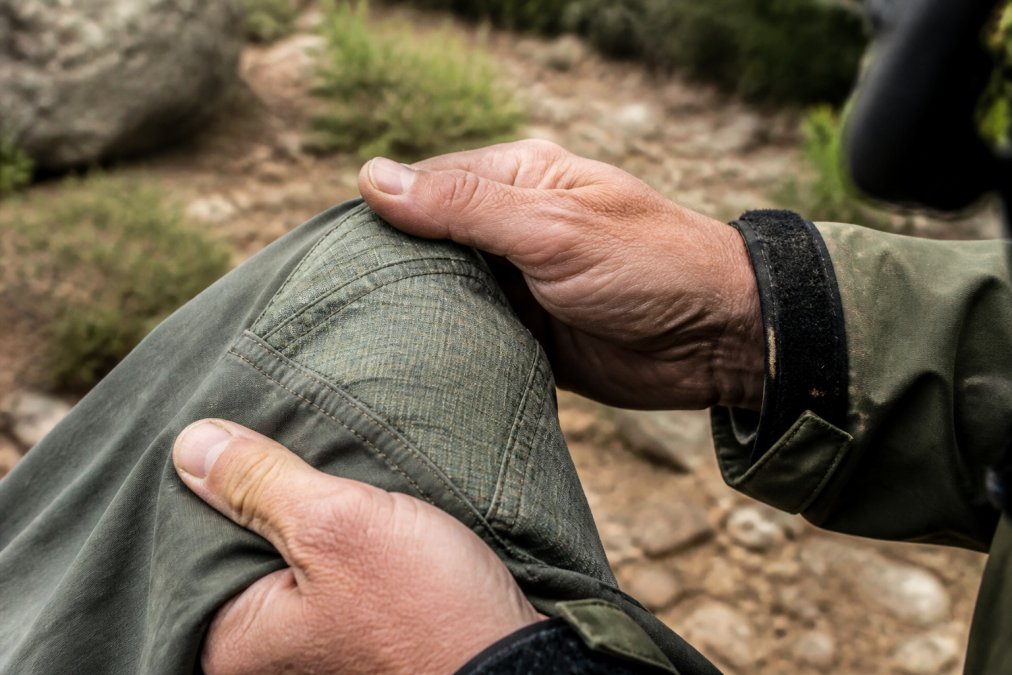
Durability comes down to measurable construction choices:
- Fabric weight and weave. Higher denier counts and ripstop grids resist snags and tears.
- Seam treatment. Seam-sealed or taped seams stop water and reduce stitch failure.
- Zipper quality. Metal or coated zippers outlast cheap plastic coils.
- Reinforcement zones. Shoulders, cuffs, and knees take the most abuse and need extra material.
Durability Criteria That Actually Matter
The criteria worth checking are abrasion resistance, tensile strength, colorfastness, and moisture management. A garment can excel at one and fail another, so evaluate them together.
Best Outdoor Clothing Materials for Longevity
The most durable outdoor clothing materials are tight-weave synthetics with ripstop reinforcement and quality down or synthetic insulation. But the material name on the tag tells you less than the construction behind it: two nylon shells can perform completely differently depending on denier, weave, coating, and seams.
Natural Fibers vs. Synthetics
Wool regulates temperature and resists odor, making it a strong base layer. Its downside is abrasion: wool fibers break down faster under friction than synthetics, so it belongs against your skin, not scraping against rock. Merino in the 150-200 gsm range is a common base-layer weight.
Fabric Technologies That Extend Gear Life
Ripstop, DWR coating, and seam-sealed construction are the three technologies that most extend garment longevity. Ripstop uses a grid of thicker threads to stop small tears from spreading. DWR (durable water repellent) makes water bead and roll off the outer fabric. Seam sealing closes stitch holes that would otherwise leak.
- Denier. Denier measures fiber thickness. A 20D nylon shell is light and packable but snags easily; a 70D-100D face fabric resists abrasion far better at the cost of weight and breathability. Pants and packs commonly use 200D+ at high-wear zones.
- Weave vs. knit. Woven fabrics resist abrasion and tearing better than knits, which is why shells and pants are woven while base layers and fleece are knit for stretch.
- Ripstop grid. The reinforcing grid stops a tear from running, but not the initial puncture. Pair ripstop with a DWR and, at high-wear zones, a bonded or laminated reinforcement.
- Coating vs. membrane. A DWR is a surface finish that beads water; a waterproof membrane (like a laminated PTFE or PU layer) blocks water entirely. DWR fades with washing and use; a membrane lasts as long as the laminate stays intact.
- Seam type. Taped or seam-sealed seams close stitch holes and reduce stitch failure. Flatlock and single-stitched seams are lighter but more prone to wicking and blowout under load.
- Reinforcement zones. Shoulders, cuffs, knees, and seat take the most abuse. Look for doubled fabric, bonded patches, or higher-denier panels there.
| Material | Best Role | Durability Strength | Main Weakness |
|---|---|---|---|
| Merino wool | Base layer | Odor resistance, thermal regulation | Abrasion wear |
| Polyester | Base and mid-layer | Moisture-wicking, fast drying | Holds odor |
| Nylon | Shell, pants | Abrasion-resistant, tensile strength | Heavier than polyester |
| Ripstop nylon | Shell, rugged terrain | Tear resistance | Needs DWR upkeep |
| Down fill | Insulation | Warmth-to-weight, packability | Loses loft when wet |
| Synthetic insulation | Insulation | Retains warmth when damp | Bulkier, less packable |
Why Recycled vs. Virgin Synthetics Matters for Longevity
The source of the synthetic fiber affects both durability and environmental impact. Recycled polyester and nylon are increasingly common in shells and insulation, and their abrasion resistance is generally comparable to virgin fiber at the same denier and weave. The bigger difference is upstream: recycled synthetics reduce demand for new petroleum-based feedstock, but still shed microplastics during washing.
UPF Rated Adventure Apparel: Protection That Lasts
UPF rated adventure apparel blocks ultraviolet radiation through the fabric itself, and that protection does not wash out the way a surface coating does. UPF 50 blocks roughly 98% of UV rays.
How to Care for Outdoor Gear to Make It Last
Knowing how to care for outdoor gear is the single biggest factor in how long it lasts. Most premature failures come from washing mistakes and poor storage, not hard use on the trail.
Washing and Reproofing Basics
Wash technical apparel with a gentle, residue-free detergent and skip fabric softener entirely, it coats fibers and blocks breathability and moisture-wicking. Use cold water and a low-spin cycle, then air dry or tumble on low.
- Check care tags before every wash
- Use technical detergent, never softener
- Close all zippers and hook-and-loop fasteners
- Wash cold, low spin
- Air dry or tumble low
- Reapply DWR when water stops beading
Storage and Seasonal Care
Store clean, dry gear loosely folded or on hangers, never compressed in a tight bag for months. Down loses loft when crammed, and trapped moisture encourages mildew.
Repair and Warranty Programs to Extend Gear Life
Repair and warranty programs are the most underused tool for extending gear life, and most shoppers never check them before buying. A lifetime warranty or repair service can turn a single failure into a fix instead of a replacement.
How to Actually Use a Warranty
Before you buy, find out three things: what the warranty covers, how long it lasts, and whether the brand repairs gear or only replaces it. A repair-friendly brand keeps gear out of the landfill and your cost-per-wear low.
- Read the coverage terms. Most warranties cover defects in materials and workmanship, not normal wear and tear. A blown seam on a new jacket is usually covered; a worn-through knee after three seasons often is not.
- Document the failure. Photograph the damage, note the purchase date, and keep your receipt or order confirmation. Many brands require proof of purchase.
- Contact the brand's warranty or repair department directly. Email or web form is standard; some brands have a dedicated repair portal.
- Ship the item clean and dry. Most programs refuse dirty or damp gear, and some charge a cleaning fee if it arrives that way.
- Choose repair or replacement. Repair-friendly brands will patch, re-seam, or replace a zipper. Others only replace the whole garment, which is faster but wastes the rest of the item.
What Voids a Warranty
Most warranty denials come down to avoidable mistakes:
- Improper washing. Fabric softener, bleach, and hot water can degrade coatings and void coverage.
- Unauthorized repairs. A home patch or aftermarket alteration can void the warranty on that area.
- Normal wear and tear. Abrasion, fading, and DWR loss are usually excluded.
- Misuse. Using a three-season shell in conditions it was not rated for is typically not covered.
- Damp storage. Mildew and fabric breakdown from storing gear wet is a common denial reason.
DIY Repair That Extends Life
Not every failure needs a warranty claim. Small home repairs often add years to a garment:
- Tenacious Tape or gear patches for pinholes and small tears in shells and insulated jackets.
- Seam grip for re-sealing taped seams that start to lift.
- Zipper repair kits for sliders that separate or pull off the track; replacing a slider is far cheaper than replacing the jacket.
- DWR reapplication with a spray-on or wash-in treatment when water stops beading.
- Elastic and cord replacement on cuffs, hems, and hoods, common failure points on older gear.
Cost-Per-Wear: The Number That Matters
Cost-per-wear is the number that actually matters: divide what you paid by the number of times you wear a garment. A $300 shell worn 100 times a season for five seasons works out to well under a dollar per wear; a $60 jacket replaced every season costs more per wear and generates more waste.
Second-Hand and Circular Economy for Outdoor Gear
The second-hand and circular economy for outdoor gear is growing because durable gear holds value and buyers want to keep clothing out of landfills. Resale, repair, and trade-in programs all extend a garment's working life.
- Resale platforms let you buy quality gear at lower cost and sell what you have outgrown.
- Repair services fix zippers, seams, and DWR coatings for far less than replacement.
- Trade-in programs give old gear a second life and often credit toward new purchases.
- Gear swaps through local clubs and communities keep functional clothing in circulation.
Frequently Asked Questions
Who makes the best quality outdoor clothing?
Quality depends on materials, construction, and warranty support. Look for abrasion-resistant fabrics like ripstop nylon or polyester, seam-sealed construction, and reinforced stress points. Brands that offer lifetime warranties and repair programs show confidence in their gear. Veteran-owned companies like Dusty Gear Co focus on durability and UPF protection for long days outside, but always check the specific fabric specs and return policy before buying.
What fabrics are most durable for outdoor adventure clothing?
Ripstop nylon and polyester resist tearing and abrasion, making them top choices for shells and pants. Merino wool offers natural odor resistance and temperature regulation for base layers. Synthetic insulation like PrimaLoft holds up better than down when wet. For high-wear areas, look for Cordura or similar reinforced fabrics. The best outdoor clothing materials balance tensile strength, moisture management, and breathability for your specific activity.
How do you maintain outdoor gear to make it last longer?
Wash technical apparel with a gentle, technical cleaner, never fabric softener. Reproof waterproof shells with a DWR coating spray or wash-in treatment when water stops beading. Store gear clean and dry, away from direct sunlight. Repair small tears immediately with patches or seam tape. Follow the manufacturer's care label, and use mesh bags for washing to reduce abrasion. Proper care for outdoor gear can double its useful life.
Does UPF protection in clothing wear out over time?
UPF protection in clothing can degrade with repeated washing, stretching, and wear, especially in thin or light-colored fabrics. However, tightly woven, dark, or synthetic fabrics tend to hold their UPF rating longer. To preserve UPF rated adventure apparel, wash gently, avoid harsh chemicals, and replace garments when the fabric becomes thin or see-through. Dusty Gear Co designs its apparel to maintain sun protection through regular use, but always check the care instructions.
Durable gear should not be a gamble. When you choose construction over marketing and care for what you buy, you spend less over time and stay outside longer. Dusty Gear Co builds veteran-owned, UPF-rated apparel for hiking, fishing, and off-roading, with performance fabrics and construction made to survive the rigors of any adventure. Get started with Dusty Gear Co and gear up for the dirt road less traveled.