

Table of Contents
- Why Buy Moisture Wicking Hiking Shirts for the Trail
- Quick Comparison: Top Moisture Wicking Hiking Shirts
- Synthetic vs Natural Moisture Wicking Fabrics
- UPF Rated Hiking Shirts for Sun Protection
- How to Wash Moisture Wicking Clothing Without Ruining It
- Durability and Sustainability: What Lasts and What Matters
- Frequently Asked Questions
Last Updated: September 25, 2026
Why Buy Moisture Wicking Hiking Shirts for the Trail
If you want to buy moisture wicking hiking shirts that actually earn their place in your pack, start with what the fabric does under load. Moisture wicking is the process of pulling sweat off your skin through capillary action and spreading it across the fabric surface so it evaporates faster. Cotton does the opposite: it holds water against your body, which is why a sweaty cotton tee turns cold the moment you stop moving.
At Dusty Gear Co, we build UPF-rated performance apparel for hikers, anglers, and off-roaders who stay out past the point where a wet shirt becomes a problem. The payoff is simple: drier skin, steadier temperature regulation, and fewer chafing issues on long climbs.
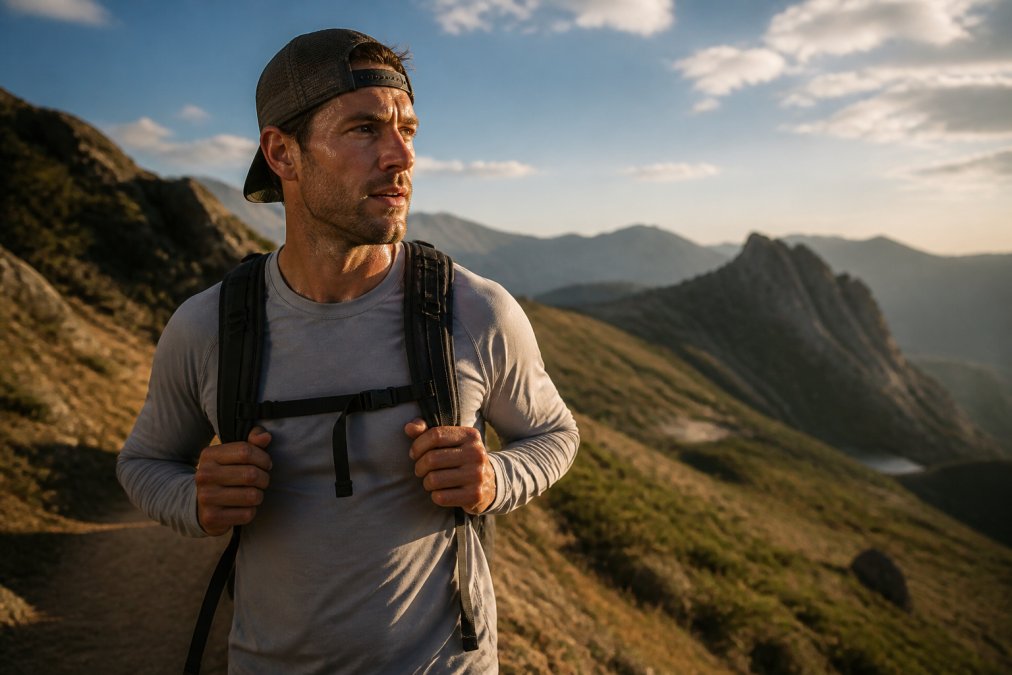
Here's the part most gear guides skip. Wicking only works when the fabric can also dry quickly. A shirt that moves sweat but holds it just relocates the problem. Look for synthetic fibers or merino wool, flatlock seams, and ventilation zones under the arms.
Quick Comparison: Top Moisture Wicking Hiking Shirts
The fastest way to choose is to match the shirt to your sun exposure and sleeve preference. Every option below is a Dusty Gear Co performance piece with moisture management and UPF protection built in.
| Shirt | Price | Sleeve | UPF | Best For |
|---|---|---|---|---|
| Dusty Trail Guide UPF Shirt | $68.00 | Short | 30+ | Hot-weather hiking, four-way stretch |
| UPF 50+ Performance Hooded Long Sleeve | $49.99 | Long, hooded | 50+ | Full coverage, high-energy days |
| Stay Dusty Men's UPF 50+ Long Sleeve | $39.99 | Long | 50+ | Versatile trail and everyday wear |
| Ladies Dusty Trail UPF 50+ Long Sleeve | $39.99 | Long | 50+ | Women's contoured fit, moisture management |
| Ladies "Staple" UPF 50+ Performance Tee | $29.99 | Short | 50+ | Everyday rotation, snag resistance |
Prices reflect current listings and shipping is free on orders over $120.

Synthetic vs Natural Moisture Wicking Fabrics
The honest answer is that "best fabric" depends on your sweat rate, your climate, and how many days you'll wear the shirt before it sees a washing machine. Here's how the two families actually behave.
Polyester is the workhorse of moisture-wicking hiking shirts. Its hydrophobic surface doesn't bond with water, so capillary action pulls sweat along the fiber and spreads it across a wide surface area for fast evaporation. Most performance polyesters use a modified cross-section, often a trilobal or channeled filament, that increases surface area without adding weight. That's why a 4 oz polyester tee can dry in 15-20 minutes in direct sun while a cotton tee of the same weight stays damp for hours.
Nylon wicks slightly slower than polyester but has higher abrasion resistance, which matters if you're scrambling or wearing a pack with rough webbing.
A few practical rules of thumb:
- High-output climbing, hot humid days: pure polyester or polyester/spandex. Fastest dry time, lowest cost.
- Multi-day trips without laundry: merino or a merino blend. Odor control matters more than dry speed when you're wearing the same shirt three days running.
- Arid desert hikes: lightweight polyester or nylon. Evaporative cooling is your friend, and you want the fastest dry time possible.
- Cool-weather layering: merino or a merino blend under a shell. Better temperature regulation when you stop moving.
UPF Rated Hiking Shirts for Sun Protection
UPF rated hiking shirts for sun protection are measured by how much UV radiation passes through the fabric, not by how dark or thick it looks. A UPF 50 rating blocks roughly 98% of UV rays, while UPF 30 blocks about 96%. Both beat sunscreen on a long hike because the protection doesn't sweat off or need reapplying.
How to Wash Moisture Wicking Clothing Without Ruining It
How to wash moisture wicking clothing comes down to three rules: skip fabric softener, skip high heat, and skip the dryer sheet. Softeners and dryer sheets coat the fibers and block moisture transport, so the shirt stops wicking even though it looks fine.
- Turn garments inside out to protect the outer face
- Wash cold on a gentle cycle with a mild detergent
- Skip fabric softener and dryer sheets entirely
- Tumble dry low or hang dry
- Avoid bleach and ironing, which break down performance fibers
Durability and Sustainability: What Lasts and What Matters
Most gear reviews stop at first impressions. The real question is what a moisture-wicking hiking shirt looks like after 50 washes, because that's when cheap shirts start to fail and good ones keep going.
What actually breaks down first:
- Elastic recovery. Spandex and elastane lose stretch over time, especially when exposed to heat. A shirt that fit well at purchase can bag out at the shoulders and waist after a season of hot-water washes and dryer cycles. Cold wash and low-heat drying roughly double the usable life of stretch fibers.
- Pilling and snagging. Lower-denier polyester pills where pack straps and hip belts rub. Higher-denier interlock knits and ripstop weaves resist this. If you carry a loaded pack, look for a fabric weight of at least 130-150 gsm in the shoulder and side panels.
- DWR and finish degradation. Any durable water repellent finish on a hiking shirt will fade after roughly 20-30 washes. When it does, the shirt still wicks, DWR affects surface water beading, not capillary transport, but it will feel wetter faster in light rain.
- Seam and stitch failure. Flatlock seams outlast standard overlock seams under repeated stretch. If you see loose thread tails at the shoulder or side seam after a few washes, that's a warning sign.
- Wash the shirt five times in cold water with mild detergent and no softener. If it pills, shrinks, or loses shape, it won't survive a season.
- Stretch the shoulder seam gently and release. It should snap back, not stay stretched.
- Hold it up to a light. Thin spots at the shoulders and elbows are where abrasion will win first.
The sustainability angle most guides skip:
Beyond longevity, look for these material signals:
- Recycled polyester (rPET). Made from post-consumer plastic bottles. Performance is essentially identical to virgin polyester for wicking and dry time.
- Bluesign-approved fabrics. A third-party certification covering chemical safety and resource use in textile production.
- PFC-free DWR. Traditional DWR finishes use per- and polyfluoroalkyl substances, which persist in the environment. PFC-free alternatives (often wax- or silicone-based) are now common on quality hiking shirts.
- Responsible Wool Standard (RWS) or ZQ-certified merino. Certifications that address animal welfare and land management on wool farms.
Frequently Asked Questions
Which hiking shirt is best for wicking moisture?
The best moisture wicking shirts use technical fabrics like polyester or merino wool that pull sweat away from your skin through capillary action. Look for features like flatlock seams, ventilation zones, and a UPF rating for added sun protection. Dusty Gear Co.'s UPF 50+ Performance Long Sleeve offers moisture-wicking and odor control in a lightweight 3.5 oz design, making it a solid choice for long trail days.
Are synthetic or natural fibers better for moisture-wicking hiking shirts?
Synthetic fibers like polyester dry faster and are more durable, while natural fibers like merino wool offer better odor resistance and temperature regulation. For high-sweat activities, synthetics often win on quick-dry performance. Merino works well for cooler conditions or multi-day trips where odor control matters. Many hikers keep both in rotation depending on the climate and trip length.
How do I maintain the moisture-wicking properties of my hiking gear?
Wash your moisture wicking clothing in cold water with a mild detergent, avoid fabric softeners and dryer sheets, and tumble dry on low or hang dry. Fabric softeners coat the fibers and block moisture transport, reducing performance over time. Turn garments inside out before washing to protect the surface, and skip the iron. Following these steps keeps your shirt wicking effectively for many seasons.
Do I need UPF protection in my moisture-wicking hiking shirt?
Yes, UPF protection adds significant value if you hike in exposed terrain or at high altitude. UPF 50+ blocks up to 98% of UV rays, reducing your risk of sunburn and long-term skin damage. Dusty Gear Co. offers UPF 50+ rated shirts like The Stay Dusty Men's Performance Long Sleeve and The Ladies Dusty Trail UPF 50+ Long Sleeve, combining sun defense with moisture management for full-day coverage.
What features should I look for in a moisture-wicking hiking shirt?
Prioritize breathability, quick-dry fabric, and flatlock seams to prevent chafing. Four-way stretch and gusseted underarms improve mobility on scrambles. A UPF rating adds sun protection, and antimicrobial treatments help with odor resistance. Weight and packability matter for backpacking. Dusty Gear Co.'s lineup includes options from $29.99 to $68.00, with free shipping on orders over $120, so you can gear up without overspending.
The trail doesn't care whether your shirt was cheap. It cares whether you're still comfortable at mile eight, and that comes down to moisture management, sun protection, and fabric that holds up. Dusty Gear Co builds UPF-rated performance apparel for exactly that: veteran-owned gear with moisture-wicking fabric, quick-dry comfort, and durable construction for hiking, fishing, and off-roading. Free shipping kicks in on orders over $120. Shop Dusty and stay outside longer.