

Table of Contents
- Does UPF Clothing Lose Effectiveness? What the Rating Measures
- Does UPF Wash Out of Clothing? What Laundering Does to Protection
- How Long Does UPF Clothing Last? Signs of Wear and Replacement Thresholds
- How to Wash UPF Clothing Without Killing the Protection
- Can You Get Sunburned Through Clothes? Stretching, Wetness, and Gaps
- How to Check Your UPF Clothing at Home
- Conclusion: Keep Your UPF Clothing Working for the Long Haul
- Frequently Asked Questions
Last Updated: October 7, 2026
Does UPF Clothing Lose Effectiveness? What the Rating Measures
Yes, UPF clothing loses effectiveness over time, but not the way most people assume. Protection built into the fabric holds up far better than coatings and finishes applied on top. At Dusty Gear Co, hikers, anglers, and off-roaders ask us about this constantly.
UPF, or ultraviolet protection factor, is a rating that measures how much UV radiation a fabric blocks before it reaches your skin. A UPF 50 rating means the fabric lets through just 1/50th of the sun's UV rays, blocking about 98% of them.
The rating doesn't fade on a shelf, the fabric changes. Stretching, wetness, and wear open tiny gaps that let more UV through. The real question is whether the fabric still performs like it did on day one.
Inherent Fiber Protection vs. Applied UV-Blocking Finishes
There are two ways a garment earns its UPF rating, and they age very differently.
Inherent protection comes from the fiber itself. Synthetics like polyester and nylon naturally absorb UV thanks to their chemical structure; add tight construction and protection lasts as long as the fabric does. That's the approach behind our UPF 50+ Performance Hooded Long Sleeve.

Applied finishes work differently. Manufacturers treat the fabric with chemical UV blockers or dyes that absorb ultraviolet light. These can wash out, especially with repeated laundering and harsh detergents.
That's the distinction most guides skip: two shirts can carry the same UPF 50 label on day one and be nowhere near equal five years later.
How Fabric Construction Blocks UV Radiation
Fabric blocks UV radiation through three things: fiber type, weave or knit density, and color.
- Tighter weaves leave smaller gaps between threads, so less UV slips through
- Denser knits perform better than loose, open ones
- Darker dyes absorb more UV than pale ones
- Thicker fabric blocks more than thin, sheer material
Hold a white cotton tee to the sun and light pours through; a tight-knit synthetic shows almost nothing. That difference is the protection level.
Does UPF Wash Out of Clothing? What Laundering Does to Protection
Does UPF wash out of clothing? For garments with inherent fiber protection, no. For those with applied finishes, it can.
Laundering affects sun-protective clothing in a few ways:
- Chemical finishes break down over repeated wash cycles
- Fabric softeners coat fibers and reduce UV blocking
- Harsh detergents and bleach wear down finishes and fibers
- Heat from hot water and dryers stresses fabric over time
Counterintuitively, some research suggests cotton and other natural fibers can improve slightly with washing, since shrinkage tightens the weave, but the benefit is small and doesn't apply to synthetics the same way.
The takeaway: how you wash matters more than how often. Gentle care keeps protection intact for years. Rough care can cut a garment's useful life short.
How Long Does UPF Clothing Last? Signs of Wear and Replacement Thresholds
How long does UPF clothing last? There's no universal expiration date, and any brand handing you a single number of years is oversimplifying. Useful life depends on how protection was built in, how often the garment sees direct sun, and how it's been laundered.
Start with the protection mechanism. A garment with inherent fiber protection, where polyester, nylon, or tightly woven natural fibers absorb UV as part of their structure, typically holds its rating for the life of the fabric.
Then layer in use and care. A shirt worn a few weekends a season and air-dried outlasts one worn daily, sweat-soaked, and tumbled dry on high heat.
A practical replacement framework:
- Inherent protection, gentle care, seasonal use: inspect annually; replace when fabric damage appears, not on a calendar.
- Inherent protection, frequent use or heavy sweat and sun: inspect every season for thinning at shoulders, elbows, and the back where a pack or harness rubs.
- Applied finish, any use pattern: assume some loss each season; treat the garment as high-exposure protection only while it still looks and feels new.
- Any garment with visible damage: retire it for long sun exposure immediately, regardless of age.
Signs of wear that matter:
- Fading, darker dyes absorb more UV, so color loss can track with protection loss.
- Thinning spots you can see light through, especially when stretched.
- Holes or pulled threads, even small ones, a pinhole concentrates UV on a tiny patch of skin.
- Threadbare areas at stress points like shoulders, elbows, knees, and waistbands.
- Loss of shape, a garment that no longer returns to its original dimensions has a more open weave than it did new.
What about the label's own guidance? Some manufacturers print a care or lifespan note on the hangtag. Treat it as a starting point, not a verdict, it reflects the fabric as manufactured, not as you've worn and washed it. Your inspection is the tiebreaker.

How to Wash UPF Clothing Without Killing the Protection
How to wash UPF clothing depends on one question: is the protection built into the fiber, or applied as a finish?
Identify what you have. Check the hangtag, care label, or product page.
Why the distinction matters. An applied finish is a chemical layer or dye treatment that detergents, heat, chlorine, and abrasion strip over time.
The core routine that protects both types:
- Turn garments inside out before washing to reduce surface abrasion
- Use cold water on a gentle cycle
- Choose a mild, liquid detergent, skip powders with abrasive builders
- Skip fabric softener entirely; it coats fibers and can reduce UV absorption
- Avoid bleach, chlorine bleach alternatives, and harsh stain removers
- Air dry when you can, or use the lowest heat setting
- Wash less often than everyday clothes, spot-clean and air out between wears
Detergent specifics. Mild liquid detergents rinse clean and leave less residue than heavy powders.
Chlorine and pools. Chlorinated water is aggressive on finishes and fibers. Rinse swimwear and any sun-protective garment worn in a pool immediately with cool fresh water, then air dry.
Swimwear and high-sweat garments. Rinse after every use, even a brief one. Salt, chlorine, sunscreen residue, and sweat sit in the fabric and accelerate wear.
Care by fabric type:
| Fabric Type | Wash Temp | Dry Method | Softener | Notes |
|---|---|---|---|---|
| Synthetic performance (inherent UPF) | Cold | Air dry | Never | Rinse after sweat or chlorine; avoid heat |
| Cotton and natural blends | Cold | Low heat or air dry | Never | Some shrinkage can tighten weave slightly, but heat damage outweighs any benefit |
| Treated finishes | Cold, gentle | Air dry | Never | Assume some finish loss each wash; inspect more often |
| Swimwear | Cold rinse after each use | Air dry flat | Never | Rinse chlorine and salt immediately |
What not to do: never use bleach or chlorine-based whiteners on sun-protective clothing, never iron a treated finish, and never store a damp garment where mildew can attack the fibers, mildew damage is invisible until it has already weakened the weave.
Can You Get Sunburned Through Clothes? Stretching, Wetness, and Gaps
Can you get sunburned through clothes? Yes, and it happens more often than people think.
Three factors drive it:
Stretching. When fabric pulls tight across shoulders or knees, the weave opens up. A UPF 50 shirt can drop well below that when stretched over a bent knee or a moving shoulder.
Wetness. A wet white tee offers a fraction of its dry protection. Dark, tight-knit synthetics hold up better when wet, but all fabrics lose some performance.
Gaps. Open collars, short sleeves, and loose necklines leave skin exposed. No fabric can protect what it doesn't cover.
That's why we lean toward long sleeves and hooded designs like the UPF 50+ BIIG BASS Hoodie: more coverage means fewer gaps, and moisture-wicking fabric handles sweat without soaking through.

For more on how UV exposure affects skin, the Centers for Disease Control and Prevention sun safety guidance outlines the risks of unprotected exposure.
How to Check Your UPF Clothing at Home
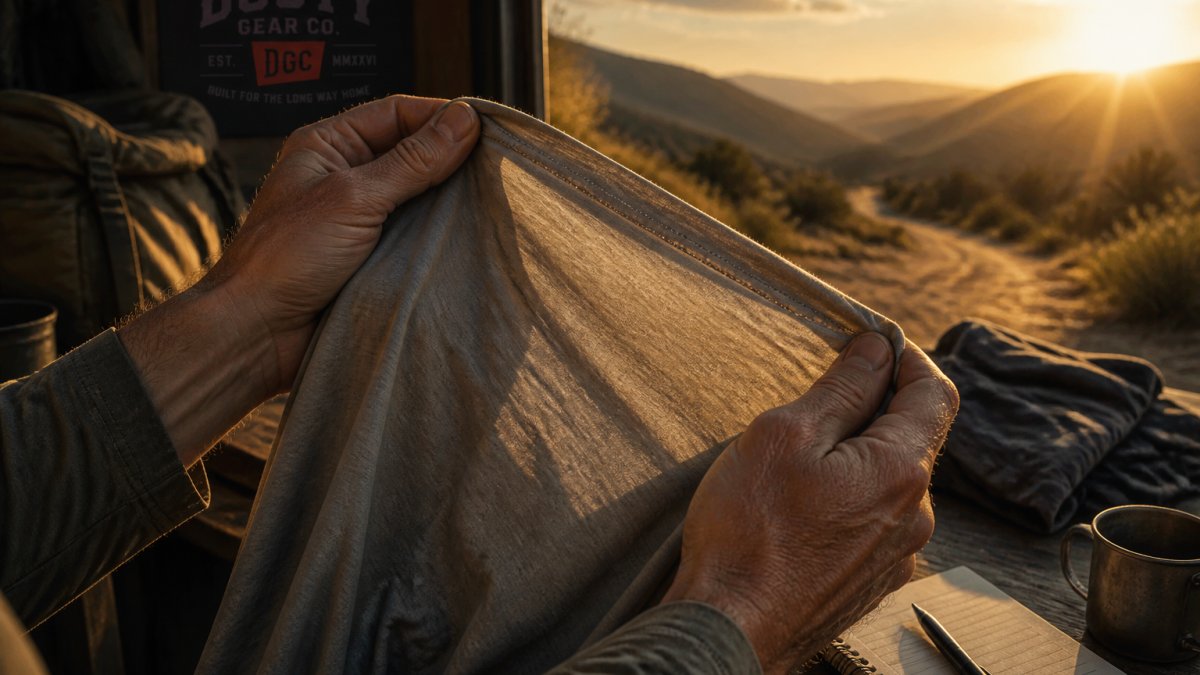
You can't measure UPF at home without lab equipment, but you can spot the warning signs:
- Hold the garment up to a bright window or the sun. If you can see light through it, UV is getting through too.
- Stretch the fabric across your hand. Look for light passing through the stretched area.
- Wet a small section. Compare light passing through wet versus dry.
- Inspect seams and stress points. Check shoulders, elbows, and knees for thinning.
- Compare against a new garment. Hold both to the light.
If an old shirt lets through noticeably more light than a new one, replace it for serious sun exposure.
For official guidance on UV protection standards, the U.S. Food and Drug Administration sunscreen and UV labeling information explains how sun protection claims are regulated.
Conclusion: Keep Your UPF Clothing Working for the Long Haul
Does UPF clothing lose effectiveness? Sometimes, it depends on how it's made and how you treat it. Inherent fiber protection holds its rating far longer than applied finishes, and gentle care keeps both working longer.
We build our gear for people who stay outside. From the Dusty Trail Guide UPF Shirt to our hooded performance line, every piece is made to handle sun, sweat, and seasons of use. As a veteran-owned brand, we back gear that earns its place in your pack.
Shop Dusty and gear up for the long way home.
Frequently Asked Questions
Does UPF clothing lose effectiveness over time?
Yes, but how much depends on the fabric and how you treat it. UPF clothing with inherent fiber protection, like tightly woven synthetics, holds its rating through years of normal use. Garments treated with a chemical UV-blocking finish lose protection faster because that finish wears away with washing and abrasion. Stretching, wetness, and visible wear like fading or thinning also reduce how much UV radiation the fabric blocks, so even durable UPF clothing can eventually need replacing.
Does washing reduce the UPF rating of clothing?
It depends on the garment. If the UPF comes from an applied chemical treatment, wash cycles gradually strip that finish off. To protect any UPF clothing, wash in cold water on a gentle cycle and skip fabric softener and bleach, which break down fibers and finishes faster than regular detergent.
Can you get sunburned through clothes?
Yes. A standard cotton t-shirt offers roughly UPF 5 to 10, which means a lot of UV radiation gets through. Stretched fabric, wet fabric, and light colors all lower protection further. UPF-rated clothing blocks far more UV, but you can still burn through gaps at the neck, wrists, and ankles, or through a garment that has become threadbare. Pair UPF clothing with sunscreen on exposed skin and a hat for full coverage.
How can I tell when UPF clothing needs to be replaced?
Hold the garment up to a bright window or lamp. If light passes through easily, especially when you stretch the fabric, protection has dropped. Also check for fading, thinning patches, holes, and threadbare areas, which all signal fiber breakdown. If a shirt looks worn and lets light through, retire it for sun exposure and use it for shade or cool-weather layering instead.